
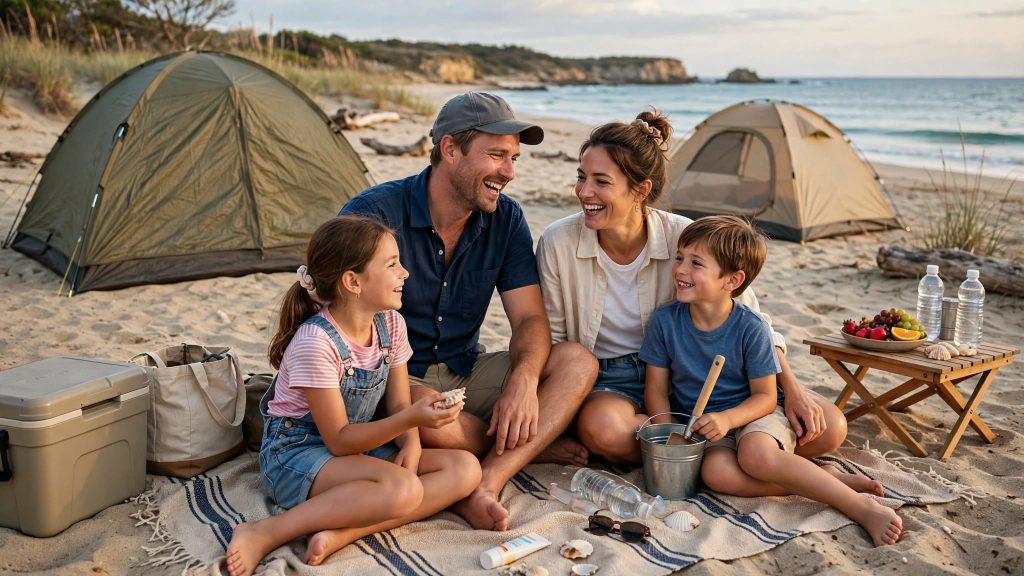
Beach camping offers families a different way to enjoy a holiday. Instead of moving between busy attractions or following a packed sightseeing schedule, families can spend their time close to the sea, with space to relax, play, eat together, and enjoy the outdoors.
A successful beach camping holiday still requires some preparation. Coastal weather, sand, tides, sun exposure, and campsite facilities can all affect the experience. With the right location and a sensible setup, however, camping by the beach can provide a comfortable balance between outdoor adventure and genuine downtime.
Why Beach Camping Works Well for Families
One of the main advantages of beach camping is that entertainment is already nearby. Children can build sandcastles, collect shells where permitted, paddle in suitable areas, or simply play on the beach. Adults can read, walk along the shore, prepare meals, or relax without having to organize an activity for every hour of the day.
This slower pace can make a family camping holiday easier to manage. Everyone can spend time together while still choosing activities that suit their age and interests.
Staying close to the beach also reduces the need for frequent driving. When the campsite is within easy walking distance of the shore, families can return to their tent, caravan, or motorhome for meals, clothing changes, or a break from the sun.
Choosing the Right Beach Campsite
Not every coastal campsite offers the same experience. Some are directly beside the beach, while others require a short walk or drive. Before booking, check exactly how the beach can be accessed and whether the route is practical for young children, pushchairs, or family members with limited mobility.
Check the Facilities Before You Arrive
For a comfortable family beach camping trip, useful facilities may include toilets, showers, drinking water, washing areas, waste disposal points, and electrical hookups where needed. Shade can also be important, particularly at campsites with very little natural cover.
Families travelling with a caravan may have different requirements from those using tents. If a caravan holiday is new to you, Caravan Camping Guide: Essential Tips for First-Time Travelers can help with some of the basic preparation involved before setting off.
It is also worth checking campsite rules concerning cooking equipment, pets, vehicles, quiet hours, fires, and beach access. Knowing these details beforehand can prevent unnecessary problems after arrival.
The Appeal of a Simpler Daily Routine
Beach camping encourages a naturally flexible schedule. Breakfast can be followed by a morning on the sand, while the hottest or busiest part of the day can be spent resting at the campsite. Families can then return to the beach later when conditions are more comfortable.
Meals can also be kept simple. Sandwiches, fruit, pasta, grilled foods where cooking equipment is permitted, and easy breakfasts reduce the amount of preparation and cleaning required.
The aim does not have to be filling every day with activities. Leaving some time unplanned gives children room to explore and adults a chance to slow down.
Preparing for Sand, Sun, and Coastal Weather
Camping beside the sea brings a few challenges that inland camping may not. Sand gets into shoes, bedding, bags, and camping equipment surprisingly easily. Keeping a small brush, mat, and separate container for sandy footwear near the entrance can help keep the sleeping area cleaner.
Wind is another important consideration. Coastal conditions can change quickly, so tents, awnings, and shelters should be properly secured using equipment appropriate for the ground conditions.
Sun protection also needs to be part of the daily routine. Suitable clothing, hats, sunscreen, drinking water, and access to shade can make long periods outdoors more manageable.
Even when the forecast looks pleasant, pack an extra warm layer and waterproof clothing. Evenings near the coast can feel noticeably different from warm afternoons.
Water Safety Should Be Part of the Plan
Easy beach access is convenient, but families should treat the sea differently from a swimming pool. Conditions can vary between beaches and can change during the day.
Before swimming, check local signs, warnings, lifeguard information where available, and any restrictions affecting the area. Parents should keep children appropriately supervised around the water and avoid assuming that calm-looking water is automatically suitable for swimming.
Tide times are another practical consideration, particularly on beaches where incoming water can reduce available space or affect access routes. Local information should always take priority over assumptions based on previous visits.
Packing for a More Comfortable Beach Camping Holiday
A few carefully chosen items can make beach camping considerably easier. Along with normal camping equipment, families may find it useful to bring a beach shelter or suitable shade, reusable water bottles, quick-drying towels, waterproof storage bags, comfortable footwear, and a container for wet clothes.
Avoid packing too much beach equipment simply because there is room in the car. Large amounts of unnecessary gear can make setting up, packing away, and keeping the campsite organized more difficult.
It is usually more practical to focus on items the family will use every day.
Keeping the Campsite Comfortable
A good setup can make a major difference after several days near the coast. Try to separate sleeping, cooking, and storage areas where space allows. Keep food securely stored, dispose of rubbish properly, and avoid leaving equipment loose where wind could move it.
Wet swimwear and towels should have a designated drying place rather than being taken directly into sleeping areas. A simple routine for shoes, wet clothing, and beach equipment helps prevent the campsite from becoming cluttered.
Families should also respect quiet hours and avoid leaving belongings or waste on the beach. A relaxing campsite depends partly on everyone using the shared environment responsibly.
Conclusion
Beach camping can give families something that many holidays struggle to provide: plenty to do without needing a complicated schedule. The sea, sand, outdoor meals, coastal walks, and a slower daily routine create natural opportunities to spend time together.
Comfort depends largely on preparation. Choosing a suitable campsite, checking facilities and beach conditions, packing for changing weather, planning for sun and water safety, and keeping the camping area organized can make the experience much easier.
For families who enjoy the outdoors but still want time to rest, a well-planned beach camping holiday offers a practical way to combine both.